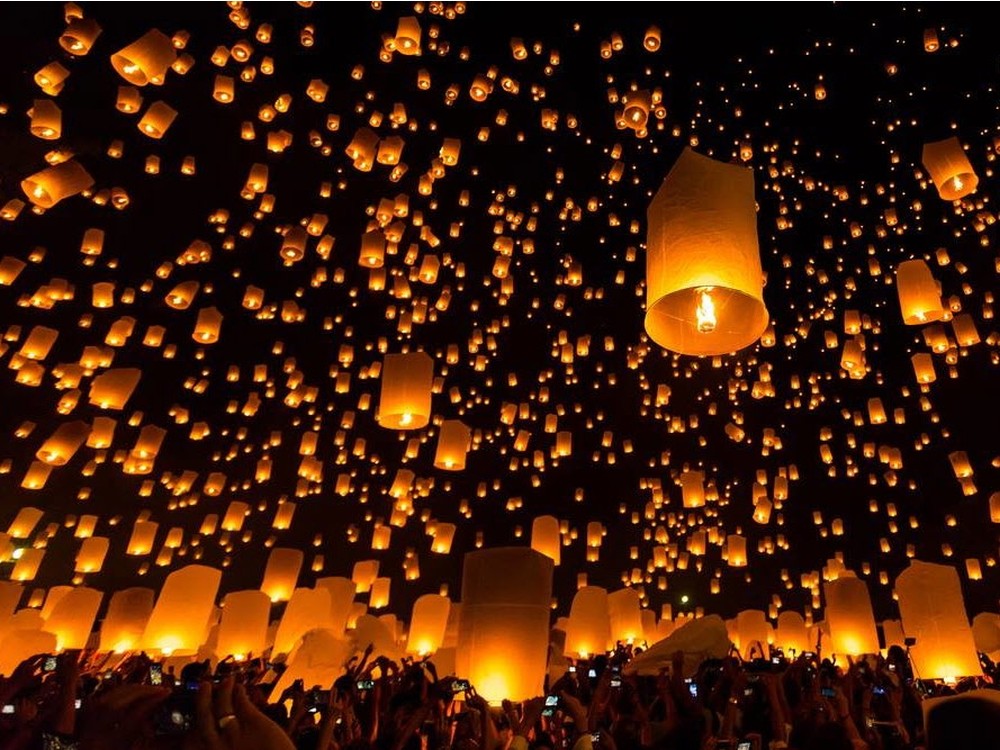

Diwali in Indonesia 2026: How Indonesia’s Indian Community Celebrates the Festival of Lights
Every year, as October gives way to November, a familiar festive energy begins to spread through Jakarta’s Indian community. Homes light up, temples glow with rows of diyas, shops fill with boxes of Indian sweets, and WhatsApp groups come alive with Diwali invitations, gift hampers and festive offers. Schools, shopping malls, community associations and restaurants join in, each adding their own touch to the celebrations. For Indians living in Indonesia, Diwali is much more than a religious festival. It is a time to reconnect with our roots, celebrate with friends and family, and share the warmth of Indian culture with the wider Indonesian community.
Diwali, also known as Deepavali, is celebrated across India and by Indian communities around the world. The five-day festival holds special significance in Hinduism, Jainism and Sikhism, although its meaning and traditions vary across regions and communities. At its heart, Diwali celebrates the triumph of light over darkness, good over evil, and hope over despair.
In northern India, Diwali commemorates Lord Rama’s return to Ayodhya after fourteen years of exile and his victory over Ravana. In many communities, the festival is associated with Goddess Lakshmi, who represents wealth, prosperity and good fortune. In Bengal, the occasion is closely linked to the worship of Goddess Kali. For many families, Diwali also marks a fresh beginning, making it an auspicious time to clean and decorate homes, wear new clothes, exchange gifts and pray for a prosperous year ahead.
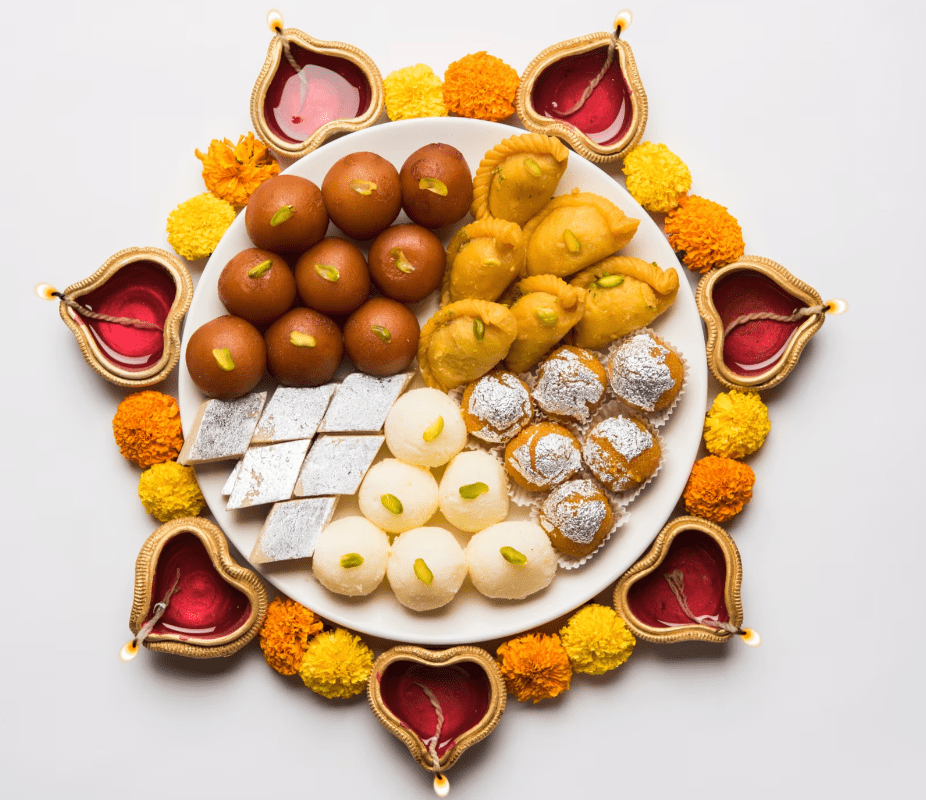
The most recognizable symbol of Diwali is the diya, a small clay lamp traditionally filled with oil and fitted with a cotton wick. Families place these lamps around their homes, along balconies, in courtyards and near entrances, welcoming light, positivity and prosperity. Today, traditional diyas sit alongside candles, fairy lights and elaborate illuminated decorations. On Diwali night, many families perform Lakshmi Puja after sunset, offering flowers and sweets, lighting lamps and praying for the well-being of their loved ones. The exchange of mithai, visits to friends and relatives, festive meals and, in some places, fireworks add to the celebrations.
Diwali comes alive across Jakarta
For Jakarta’s Indian community, Diwali celebrations have evolved well beyond the home and temple. What was once primarily a family and religious occasion has grown into a citywide season of cultural performances, community gatherings, shopping, food and entertainment. Each year, more organisations and venues find their own ways to celebrate, creating a festive calendar that brings together Indians from different backgrounds as well as Indonesian friends who are curious about the festival.
Schools are an important part of this growing celebration. Indian cultural performances, traditional dance, music, festive decorations and Diwali-themed activities give children an opportunity to experience the traditions of India. In Jakarta’s multicultural school environment, these celebrations also help students from different nationalities understand the stories, customs and values behind the Festival of Lights.
Shopping malls have joined the festivities with colorful Diwali décor, illuminated installations, cultural performances and festive shopping experiences. These public celebrations make Diwali more visible across the city and offer families an accessible way to enjoy the season, even if they are not part of the Indian community.
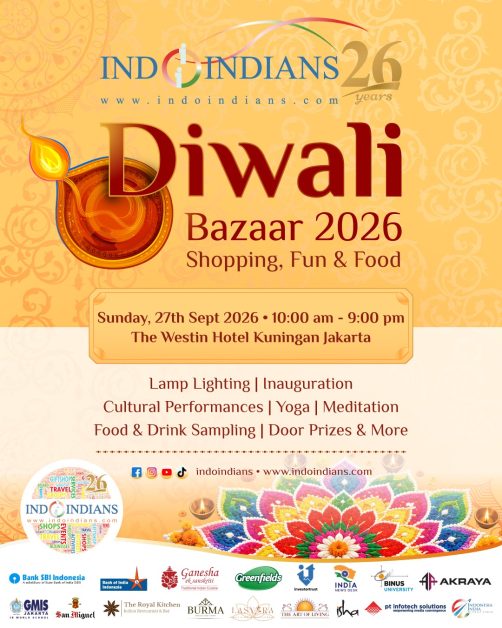
Among the highlights of Jakarta’s festive calendar is the Indoindians Diwali Bazaar, which has become a much-anticipated gathering for the community. Bringing together vendors, food, fashion, jewelry, gifts, festive essentials and cultural experiences, the bazaar offers a lively place to shop, meet friends and discover something new. For many families, it is also an annual opportunity to catch up with familiar faces and soak in the atmosphere of an Indian celebration away from home.
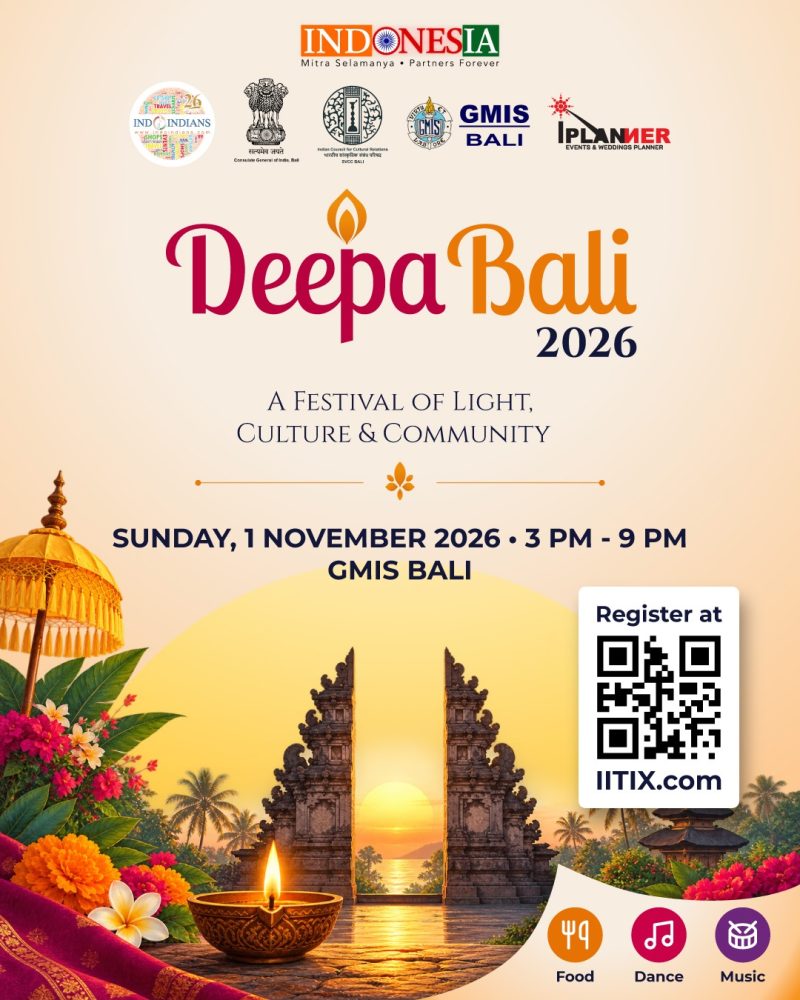
In 2026, the festive season also extends to Bali with DeepaBali 2026, the Indoindians Diwali celebration at Gandhi Memorial Intercontinental School Bali. Bringing together food, culture, dance, music and family activities, DeepaBali reflects the growing enthusiasm for Indian cultural celebrations beyond Jakarta. It offers the Indian diaspora in Bali an opportunity to celebrate together while welcoming the wider local and international community to experience Diwali.
A season of sweets, gifts and community connections
As Diwali approaches, Indian sweet shops and restaurants are among the busiest places in town. Elaborate boxes of laddoos, kaju katli, barfi and other traditional mithai are prepared for gifting, while restaurants put together special festive menus and hampers. For many Indian families, sharing sweets is an essential part of the celebration, a simple gesture that carries wishes for happiness, good fortune and sweet beginnings.
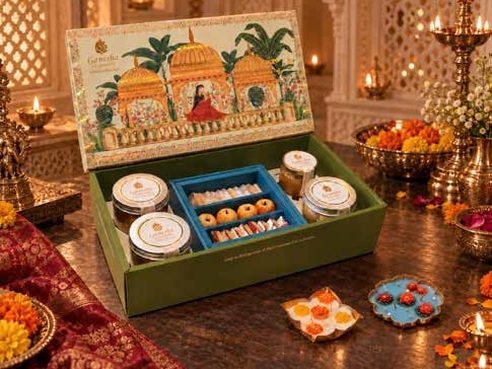
The Indoindians business WhatsApp community becomes particularly lively during this period, with entrepreneurs sharing Diwali gift hampers, festive clothing, jewelry, home décor, sweets and special offers. From traditional Diwali caps and accessories for children to curated gift boxes and festive experiences, the variety reflects the creativity and enterprise of the Indian business community in Indonesia. These exchanges also demonstrate how community networks help small businesses reach customers and make it easier for residents to discover products and services during the festive season.
Smaller Diwali bazaars and exhibitions organized by Indian associations, residential communities and apartment complexes with significant Indian populations add another dimension to the celebrations. While more intimate than the larger public events, these gatherings often have a special charm of their own. Residents can shop, share homemade food, meet neighbors and introduce their children to traditions they may otherwise experience only at home.
Restaurants, retailers and community organizers all contribute to the sense that Diwali is not just a single day on the calendar but an entire season of activity. Whether it is ordering sweets for colleagues, choosing a gift for a friend, attending a dance performance or meeting other families at a local exhibition, there are many ways to take part.
Temples, associations and celebrations across Indonesia
Religious observances remain at the heart of Diwali for many families. Hindu temples in Jakarta and other parts of Indonesia mark the season with prayers, lamps and gatherings, offering devotees an opportunity to celebrate together and seek blessings for the year ahead. For those who have lived in Indonesia for decades, visiting a temple during Diwali can be a particularly meaningful way to maintain a connection with familiar traditions.
Community associations also organize some of the season’s most eagerly anticipated events. The India Club’s Diwali musical celebration at a five-star hotel is a highlight for many residents, bringing people together for an evening of entertainment, music, dancing and socializing. Gandhi Seva Loka organises a major Diwali gathering for its community, creating another space for families and friends to celebrate the occasion.
In 2026, the Embassy of India is also organising a Diwali celebration at its new chancery building, adding an important diplomatic and community dimension to the festivities. Such occasions recognize the significance of Diwali not only as a religious festival but also as a celebration of Indian culture, identity and the longstanding relationship between India and Indonesia.
Beyond Jakarta, Indian diaspora groups and associations across Indonesia organize their own Diwali events, from cultural programs and community dinners to festive exhibitions and family celebrations. Each gathering may be different in scale and style, but the underlying spirit remains the same: bringing people together, preserving traditions and sharing the joy of the season.
India and Indonesia: A relationship spanning centuries
The connection between India and Indonesia stretches back many centuries, shaped by trade, migration, culture and religion. Indian traders travelled to the Indonesian archipelago in search of spices, aromatic woods, resins and gold. Over time, Indian influences in art, literature, architecture and religious thought became part of the region’s cultural landscape. Hinduism and Buddhism spread through networks of trade and local kingdoms, adapting to existing traditions and contributing to the distinctive cultural heritage of the Indonesian archipelago.
The modern Indian community in Indonesia has developed through several waves of migration. Tamil communities have longstanding roots in parts of Sumatra, particularly around Medan, while Sindhi families established businesses across the country following the Partition of India in 1947. Later, the expansion of Indian investment and commercial ties brought entrepreneurs, managers and professionals working in sectors such as information technology, telecommunications, finance and consulting.
Today, people of Indian origin in Indonesia come from diverse linguistic, religious and regional backgrounds. Many families have lived here for generations and are Indonesian citizens, while others have arrived more recently for business or professional opportunities. Hindus, Muslims, Sikhs and members of other communities contribute to Indonesia’s commercial, professional and cultural life while maintaining connections with their Indian heritage.
In Jakarta, neighborhoods such as Pasar Baru, Sunter, Kemayoran and Kuningan have long been associated with Indian shops, restaurants, places of worship and community life. Schools such as Gandhi Memorial Intercontinental School have also played an important role in educating children from diverse backgrounds. Together, these institutions and community networks help sustain cultural traditions while encouraging the next generation to grow up with an appreciation of both Indian heritage and Indonesian society.
Diwali in Indonesia: Tradition with a contemporary spirit
What makes Diwali in Indonesia special is the way tradition continues to evolve. A family may begin the day with prayers at home, visit a temple, meet friends at a bazaar, attend a cultural performance and finish the evening at a festive dinner. Children experience the festival through school activities and performances, while adults reconnect with friends, support community businesses and introduce Indonesian colleagues and neighbors to Indian customs.
For the Indian diaspora, these celebrations provide a sense of belonging. Living far from the country of one’s ancestors does not mean leaving its traditions behind. Instead, festivals such as Diwali become opportunities to adapt those traditions to a new home and share them with the people around us.
For Indonesian friends, colleagues and visitors, Diwali offers a welcoming introduction to Indian culture through food, music, dance, craftsmanship and hospitality. The growing number of public celebrations reflects the close people-to-people relationship between the two countries and the enthusiasm with which communities embrace cultural exchange.
As the lights are lit across homes, temples, schools, malls and event venues, the message of Diwali remains timeless. It reminds us to choose hope over despair, kindness over indifference and understanding over division. In Jakarta and across Indonesia, the Festival of Lights is not simply a celebration of Indian heritage. It is also a celebration of friendship, community and the shared joy of coming together.
Shubh Deepavali! May the light of Diwali bring peace, happiness and prosperity to every home.