
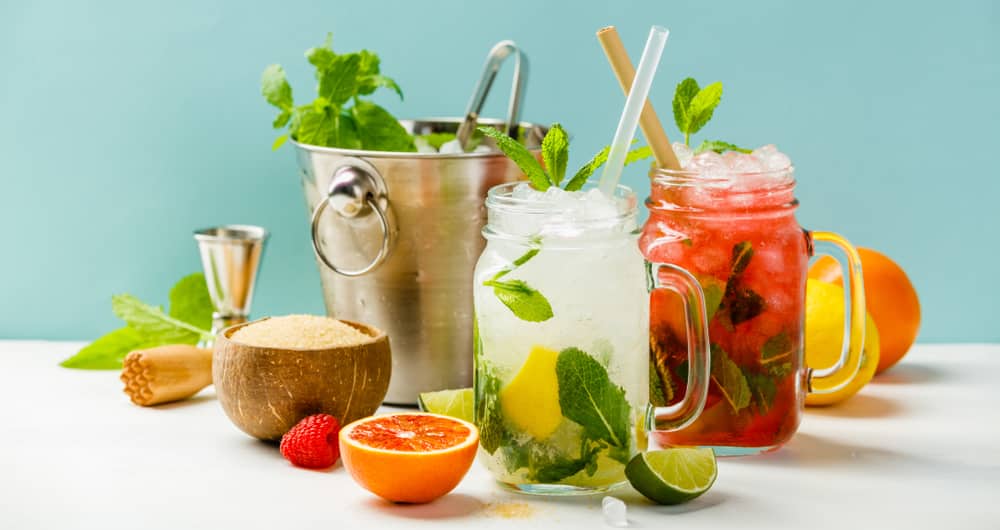
Healthy food is important, but so too, are the beverages you choose to drink. Find out which beverages are the healthiest options. Sure, water is the smartest drink out there, but if you’re craving something more, here are other healthy drinks to give you a boost of nutrition.
- Water: Water is essential for life and remains the simplest, most reliable way to stay hydrated. It helps regulate body temperature, supports digestion, transports nutrients and enables normal kidney function. Drinking enough water can also help prevent dehydration, which may cause headaches, fatigue and difficulty concentrating. Your needs vary depending on your activity level, the weather and your health. In Indonesia’s warm climate, remember to drink regularly throughout the day. For most people, plain water is the best everyday choice because it hydrates without added sugar or calories.
- Green Tea: A cupful of antioxidants
Green tea contains polyphenols, including catechins, which have antioxidant properties. Research has explored their potential role in supporting cardiovascular and metabolic health, although drinking green tea alone cannot guarantee protection against disease. It also contains caffeine, generally less than a typical cup of coffee, making it a useful alternative for those who want a gentler lift. Enjoy it hot or iced, preferably without added sugar. Green tea can be a refreshing part of a balanced diet, but it is not a substitute for a healthy lifestyle or medical treatment.
- Kombucha: A fermented drink with a tangy twist
Kombucha is made by fermenting sweetened tea with a culture of bacteria and yeast. This gives it its distinctive tangy, lightly fizzy taste. Some varieties contain live microorganisms, but the types and amounts vary, and evidence for specific health benefits in humans remains limited. Kombucha can also contain residual sugar, caffeine and small amounts of alcohol, depending on how it is made. Check the label before buying, especially if you are watching your sugar intake. Choose reputable, properly prepared products and enjoy kombucha as an occasional alternative to sugary soft drinks rather than as a miracle health tonic.
- Hibiscus Tea: a colorful herbal infusion
Hibiscus tea, made from the dried calyces of the hibiscus flower, has a vivid ruby-red colour and a pleasantly tart flavour. It is naturally caffeine-free when prepared without other tea leaves and can be enjoyed hot or chilled. Some studies suggest that hibiscus may help lower blood pressure, but the evidence is not strong enough to treat it as a replacement for prescribed medication. If you have low blood pressure or take blood-pressure medicines, consult your healthcare professional before drinking it regularly in large amounts. For a refreshing drink without unnecessary sugar, try it with a squeeze of lime.
- Coconut Water:
Coconut water is the clear liquid inside a young coconut. It provides water and electrolytes, particularly potassium, which plays a role in normal muscle and nerve function. It can be refreshing after light activity or in hot weather, but for most everyday situations, plain water is equally suitable and usually less expensive. Coconut water also contains natural sugars, and packaged versions may have added sugar. Look for products labelled 100% coconut water with no added sugar. People with kidney disease or those who need to limit potassium should check with their healthcare professional before consuming it frequently.
- Vegetable Juice:
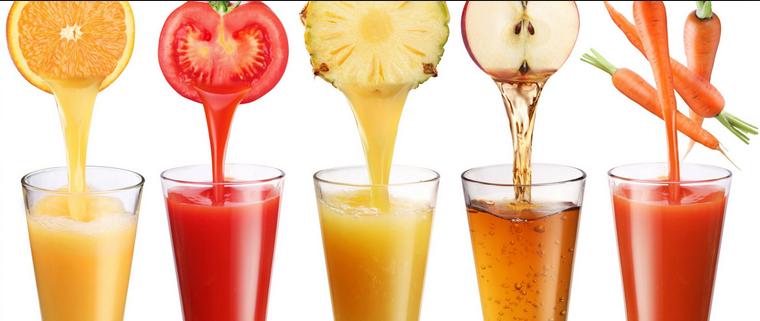
Vegetable juices made from ingredients such as tomatoes, carrots, cucumber and leafy greens can provide vitamins, minerals and other beneficial plant compounds. They are a convenient option when you want a savory alternative to sweet drinks. However, juicing removes much of the fiber found in whole vegetables, and bottled varieties can contain considerable amounts of sodium or added sugar. Choose unsweetened, lower-sodium options, or make your own at home. Whenever possible, eat whole vegetables as well, since their fibre supports digestion and helps you feel satisfied for longer.
A few things to remember
Less added sugar is better. Sweetened teas, bottled juices, flavored coffees and energy drinks can contribute substantial amounts of sugar to your daily diet.
- Natural does not always mean healthier. Portion size and ingredients matter, even for drinks made from fruit, herbs or other natural ingredients.
- Choose drinks that suit your health needs. Caffeine, potassium and certain herbal ingredients may not be appropriate for everyone.
- Moderation is key with any beverage, and it’s essential to consider your individual health needs and consult with a healthcare provider before making significant changes to your diet.